What Is Object Permanence?
You’ve probably heard the phrase “out of sight, out of mind.” That’s essentially object permanence in a nutshell: the understanding that things continue to exist even when we can’t see them. For many people with ADHD, this concept doesn’t hold the way it does for others, and as a professional organizer, I see the fallout constantly.
Clients often cover every surface in piles, trying to keep everything visible so nothing gets forgotten. But once the piles multiply, they blur into a single mass of clutter, and nothing can actually be found. The strategy meant to make life easier ends up working against itself.
My clients will frequently insist they know exactly where something is within a pile. What they don’t always realize is how much mental energy it takes to track and navigate that clutter day after day, and how often items don’t stay where they were last set down. The “leave it out so I remember” system quietly falls apart over time.
What Does a Lack of Object Permanence Feel Like?
It feels chaotic. Everything is out in the open. Piles cover every surface while drawers and closets sit empty. That constant visual noise becomes its own emotional weight. You’re surrounded by unfinished projects and undone tasks. A daily reminder of everything still pending, and over time, that wears you down.
The frustrating irony is that my clients already see the pattern: leaving things out to avoid losing them is exactly what causes the losing. The logic makes sense; the execution doesn’t hold up. It becomes a self-defeating loop.
Do People With ADHD Lack Object Permanence?
Not universally, but it’s common. Many of my clients experience it, and so does my partner, who has ADHD. Sometimes we laugh about it; sometimes it’s just plain frustrating.
A typical example: he sets his keys on the dresser, sees them there, and feels reassured knowing exactly where they are. Hours later, he can’t find them. He’s certain he left them on the dresser and swears they “moved on their own.” In reality, I’ve watched him move them himself and simply not register doing it. Forgetfulness and inattention tend to compound the problem.
Are Forgetfulness and Inattention Signs of This?
They often go hand in hand. In the keys example above, my partner genuinely remembers setting them on the dresser, and that memory reassures him, until it doesn’t. Later, he has no recollection of relocating them.
This tends to happen when he’s moving fast, distracted, or not fully present. I call it “machine mode.” His body is going through the motions while his brain isn’t actually logging the action. The keys end up buried or tucked somewhere out of view, and then panic sets in: he’s convinced they’re gone for good.
How Does This Affect Relationships?
When belongings are scattered throughout a home, relationships tend to strain under the weight of it. Many clients describe recurring arguments with partners simply because there’s no shared system. Everything is everywhere, and conflict flares whenever something can’t be found. Money gets wasted on duplicate purchases for items that are technically still in the house, just lost. Cramped, disorganized spaces breed extra tension, and the stress spikes further when guests are expected and the clutter has to be confronted head-on. Over time, couples can fall into a pattern of blaming each other and building resentment.
Kids feel this, too. Without clear systems in place, children often don’t know where their belongings are supposed to go, or they may struggle with object permanence themselves. As a result, things end up scattered. That, in turn, becomes another ongoing source of friction for the whole family.
Tips for Managing Object Permanence and ADHD
Repetition
Consistency is powerful. Keeping items in the same spot every time works. However, staying consistent can be hard when forgetfulness gets in the way. The more you repeat a task, the easier the habit becomes to follow.
Labels
Labels create a shared, universal system that everyone in the household can rely on. No more guessing where something belongs or lives. They don’t need to be text-based, either. Color-coding or images work just as well, especially for remembering what’s tucked inside a drawer or behind a closed door.
Categorize Your Items
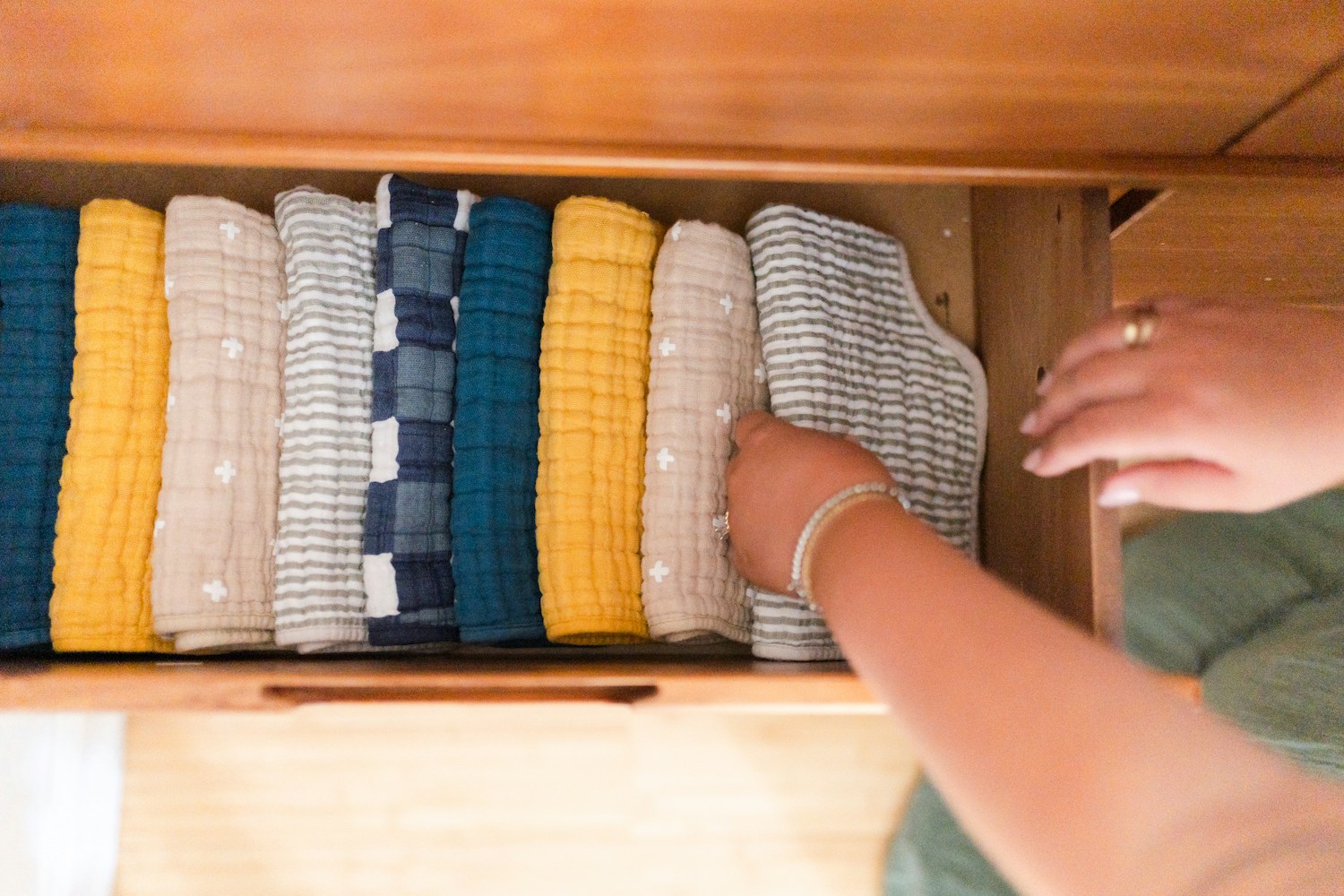
Grouping like items together makes it far easier to put things back and to remember where they are in the first place. Create dedicated zones: all cleaning supplies in one spot, all toys in another, all craft materials together.
Less Is More
Finally, simplify. If object permanence is a genuine struggle, don’t work against yourself by accumulating more than you can track. Ten pairs of jeans instead of twenty. One or two favorite crafts instead of supplies for every possible project. A smaller, simpler inventory means less overwhelm when things are left out and an easier path back to tidy.
Putting these strategies into practice isn’t always easy on your own. Having a friend, partner, or professional organizer help maintain the system and consistently return things to their place can make a real difference for anyone with ADHD or a lack of object permanence. If you’re wondering how a professional organizer can help you, reach out to us. You can book a free phone call and speak with Sara Bereika directly.
If you’re looking for more tips on how to get your home organized, read more from our blog!